
Real or Fake AI Game — All Quiz Modes
Can you tell real from AI-generated? Choose a category below and play — photos, videos, quotes and more. Each quiz mode targets a different type of AI content, with different models and different tells to look for.
📷 Image Quizzes
Static image rounds — 2–4 images per round, 1 real, the rest AI-generated.
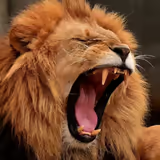


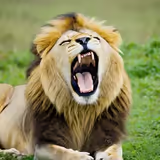
The general image quiz — mixed subjects, all major AI image models.
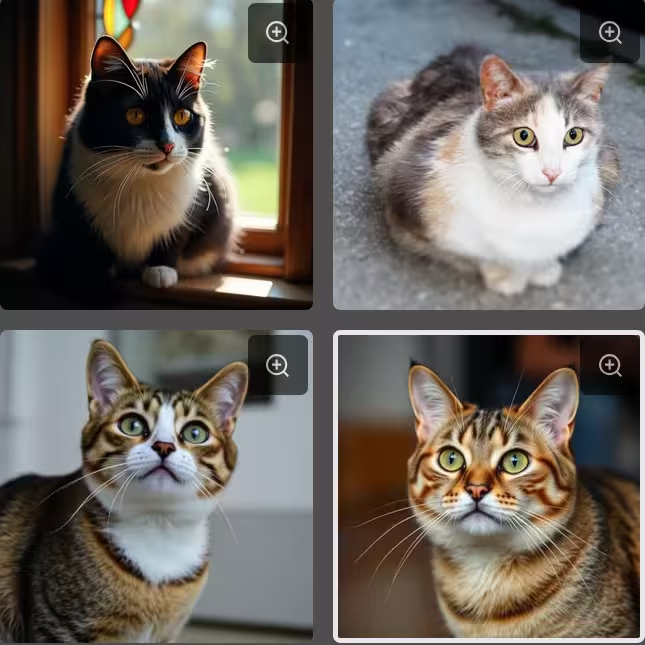
AI often nails fur at a glance — but anatomy and eyes give it away.
Difficulty: Easier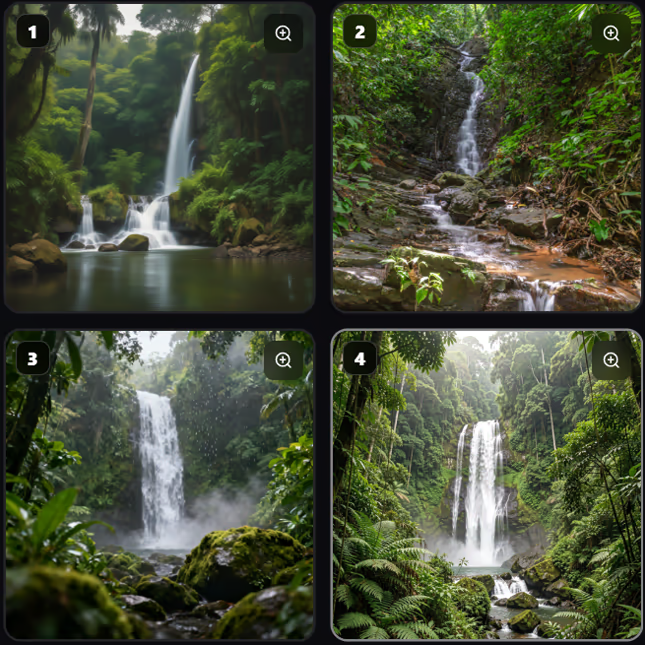
Mountains, beaches and forests — verify reflections, light and terrain.
Difficulty: Medium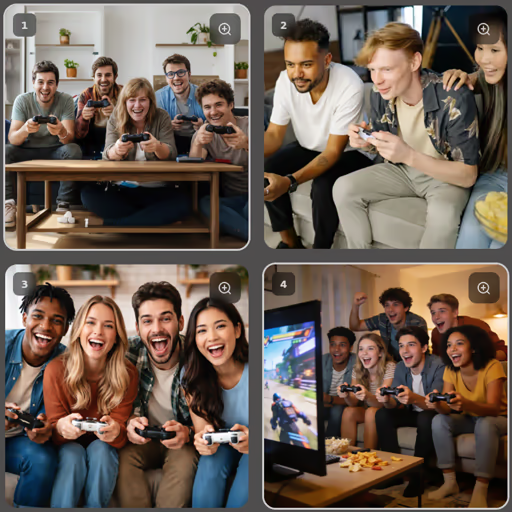
Portraits, groups & everyday scenes — AI struggles most with hands and interactions.
Difficulty: Easier
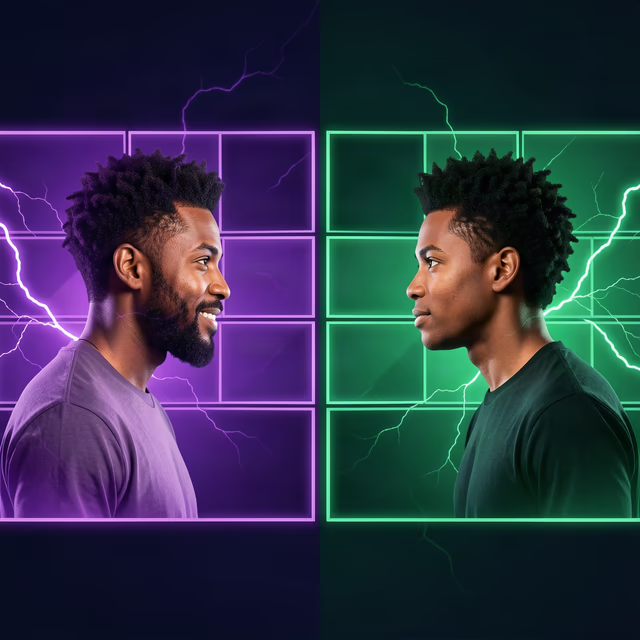
1v1 face quiz — two portraits, one real. Learn the 8 tells that reveal AI-generated faces.
Difficulty: Very Hard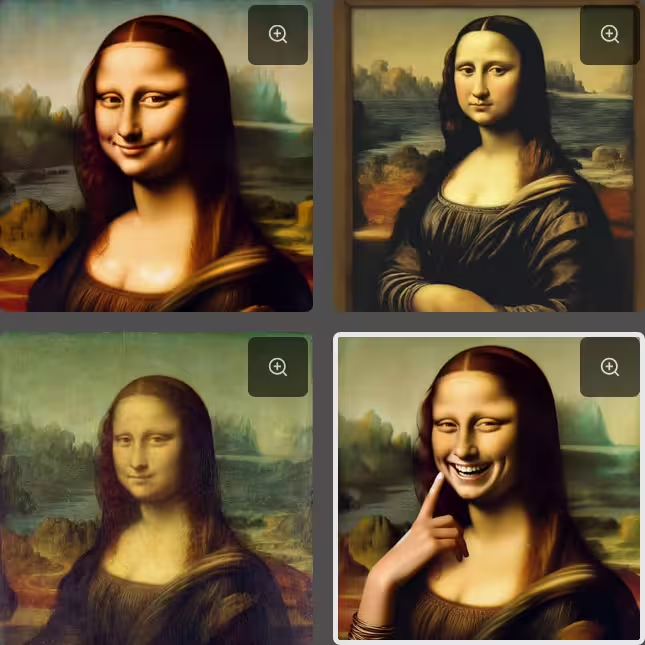
Can AI replicate Van Gogh, Da Vinci and Monet convincingly?
Difficulty: Easier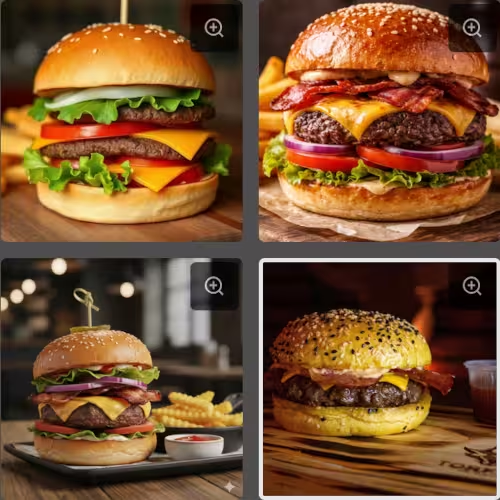
AI food photography looks delicious — until you spot the texture artifacts.
Difficulty: Easier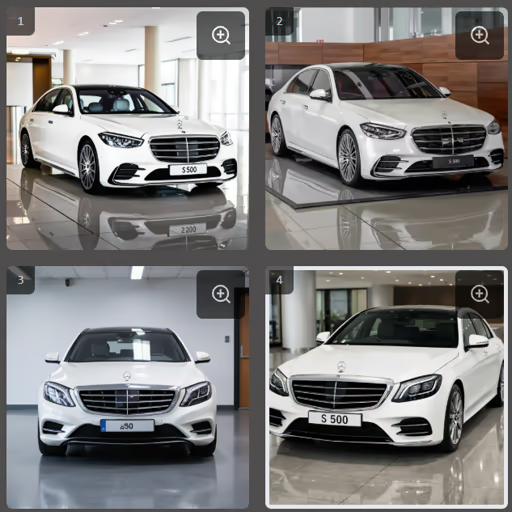
Wheels, badges and reflections — the details AI cars consistently get wrong.
Difficulty: Medium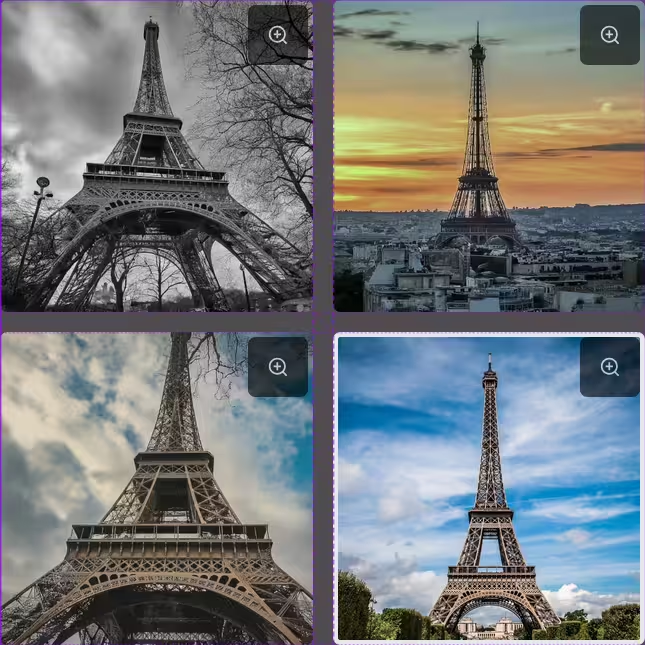
AI struggles with architectural symmetry and correct landmark proportions.
Difficulty: Medium
10 timed rounds, global leaderboard. Same images for everyone, resets at midnight UTC.
Difficulty: Competitive
One image quiz per day — click to reveal which is real and which AI model created the fakes.
Resets daily
See an AI image — guess the text prompt that created it. Word-by-word scoring.
Difficulty: Hard🎬 Video Quizzes
Short looping clips — motion artifacts and temporal consistency are the key tells.
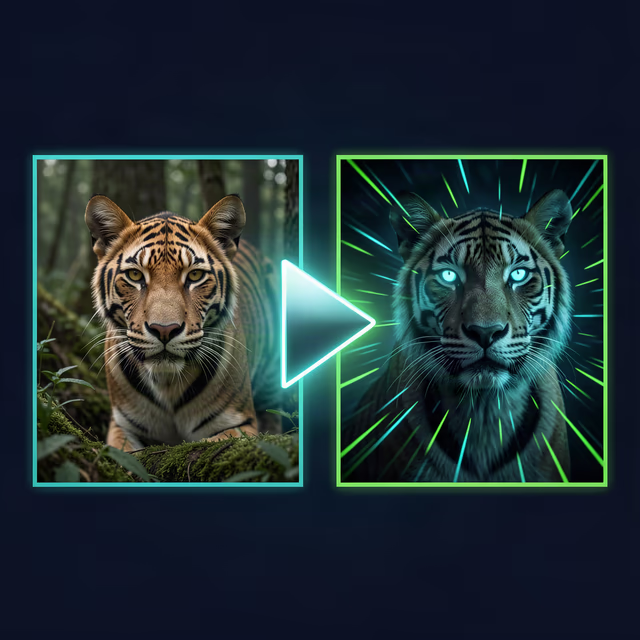
Overview of all video models used: Kling 3.0, Sora 2, Seedance and more.
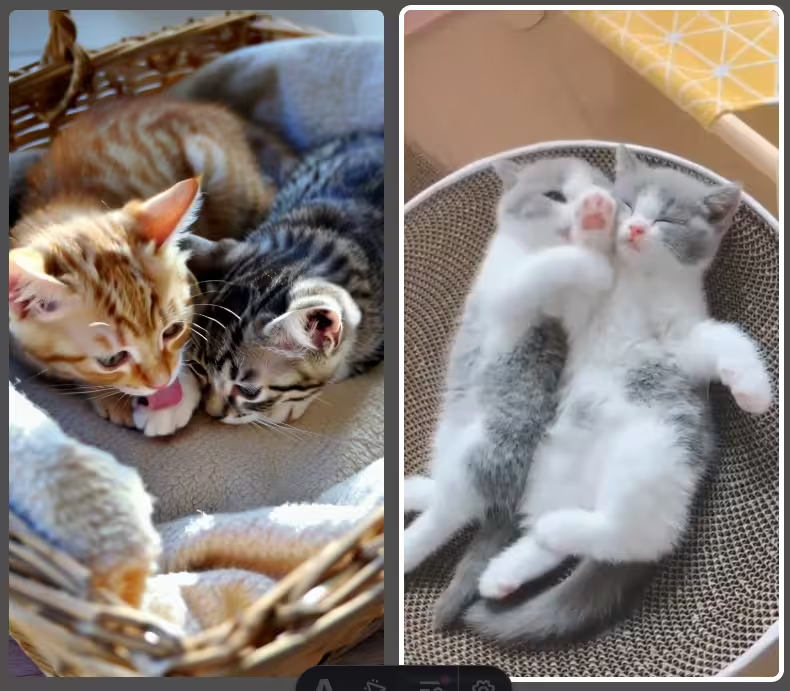
AI wildlife footage looks stunning — unnatural movement patterns reveal the fake.
Difficulty: Easy
Deepfake detection in video — the hardest category on the site.
Difficulty: Medium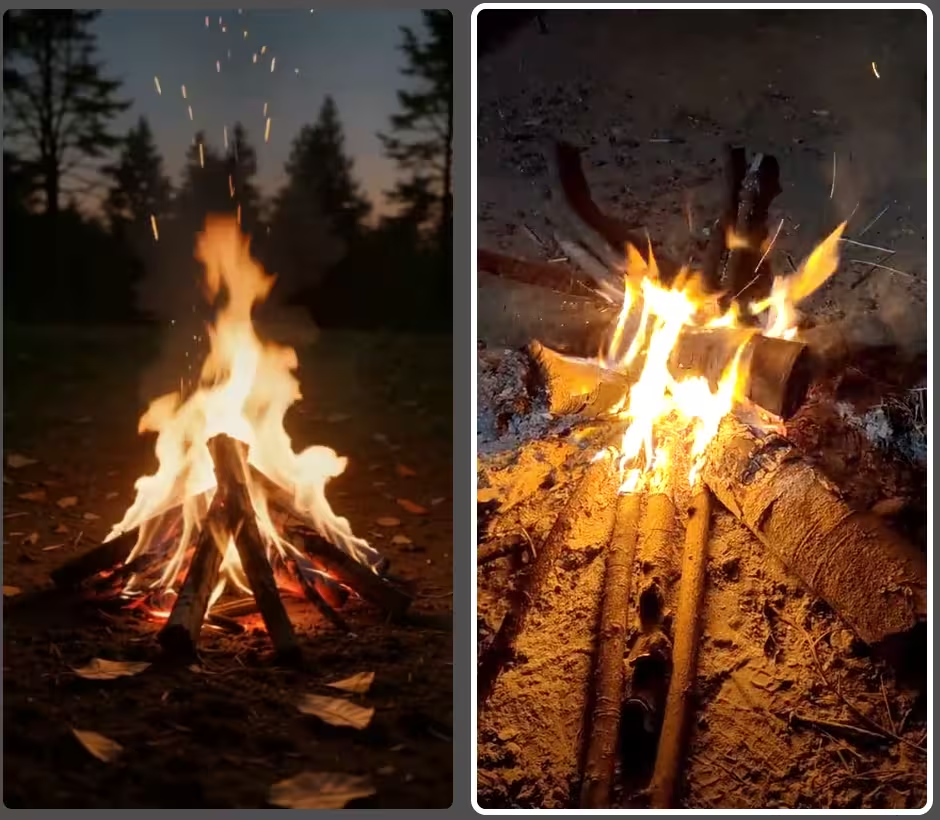
Fire, water, and wind — can AI replicate natural phenomena convincingly?
Difficulty: Easy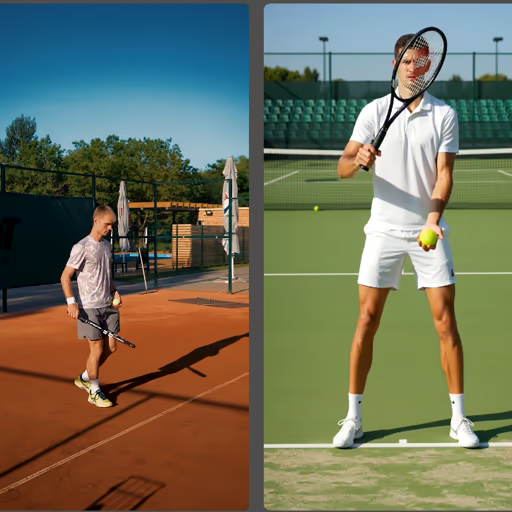
Football, tennis, basketball — AI struggles most with ball physics and crowd detail.
Difficulty: Medium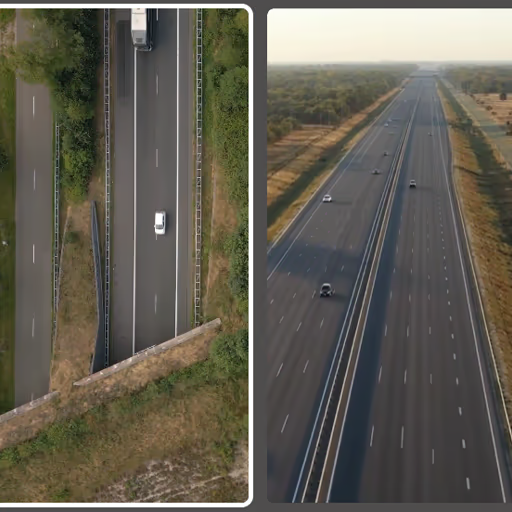
Cars, trains, planes and boats — track motion, reflections and rigid geometry.
Difficulty: Medium📝 Text Quizzes
Can you tell AI-written text from the real thing?

⚔️ Multiplayer
Compete live against another player — real-time scoring, 10 rounds.
🏫 For Teachers & Classrooms
Run the quiz live with a whole class — teacher hosts, students join by code.
🤖 AI Models & Comparisons
Background reading on the models behind the quizzes.
DALL-E, FLUX, Imagen, Stable Diffusion & more — compared side by side.
13 video models given the exact same prompt — see how they compare.
Bing, Firefly, Raphael — no credit card required.
Kling, Runway, Pika and Luma — free, trial and paid access compared.
Where the difficulty ratings come from
Not a guess — this is what players actually score, recomputed nightly from 94,408 rounds. Every category below shows four images per round, one of them real, so pure guessing would score 25% and the percentages are directly comparable. Hardest first:
| Category | Found the real photo | Rounds |
|---|---|---|
| Buildings & places | 49% | 8,691 |
| Nature | 52% | 12,934 |
| Cars | 52% | 9,898 |
| Sport & action | 58% | 5,727 |
| Famous paintings | 64% | 12,533 |
| People | 69% | 15,217 |
| Food | 69% | 11,532 |
| Animals | 70% | 17,876 |
Buildings & places is currently the hardest at 49%, and animals the easiest at 70% — but note that even the easiest category means a third of players still pick an AI image as the real one.
An honest limitation: the categories do not use identical model line-ups, so part of the spread may come from which generators happen to appear where rather than from the subject itself. The original July 2026 analysis separates what the data can and cannot support, and our methodology explains how these figures are computed.
Which mode should you start with?
If you have never played, start with Famous Paintings or Food. Both sit above 60% accuracy, which means you will get enough right to see the pattern instead of feeling that the whole thing is a coin flip. Paintings in particular reward slow looking: the differences are there, they just need a second pass.
Once that feels comfortable, move to Animals or People. These hover around 50%, and they are where the classic advice starts to fail — modern generators handle fur, skin and individual faces well, so the remaining errors are relational rather than anatomical: a paw meeting the ground wrongly, a hand gripping without pressure, two people interacting in a physically impossible way.
Save Cars and Buildings for last. They are the hardest in practice, and they teach a different lesson: that recognising a subject is not the same as verifying a photograph.
The video modes sit outside this progression entirely. Video gives you a time axis to work with, which makes it markedly easier — errors that a still image can hide for one frame become obvious across five seconds. If images feel discouraging, video is a good place to rebuild confidence.
Why separate info pages per category?
Every quiz category on WhichOneIsReal uses different AI models and tests different perceptual skills. Food images fail differently than deepfake videos. Each info page explains the specific models used, the difficulty, and what details to focus on — so you can improve your detection skills systematically rather than guessing.