
AI Tool Comparisons
Practical comparisons of AI generators, detectors and upscalers. We separate direct observations from provider documentation, state the criteria behind each recommendation and include the limitations that marketing pages tend to leave out.
Best Free Tools

🆓 Best Free AI Image Generator
Free tier limits tested: Adobe Firefly has limited daily generations; Bing’s live UI and Help FAQ disagree on its current allowance; ChatGPT gives ~2-3 images/day and Gemini ~20/day. Raphael AI has no hard cap on slow basic generations, Craiyon’s cap is unpublished, and Krea gives 100 daily units.

🆓 Best Free AI Video Generator
Free tier tested: Kling 66 credits/day, Runway 125 one-time, Pika ~80/month, Luma limited monthly. Watermarks, video length & sign-up compared.
🔍 Best AI Image Upscaler
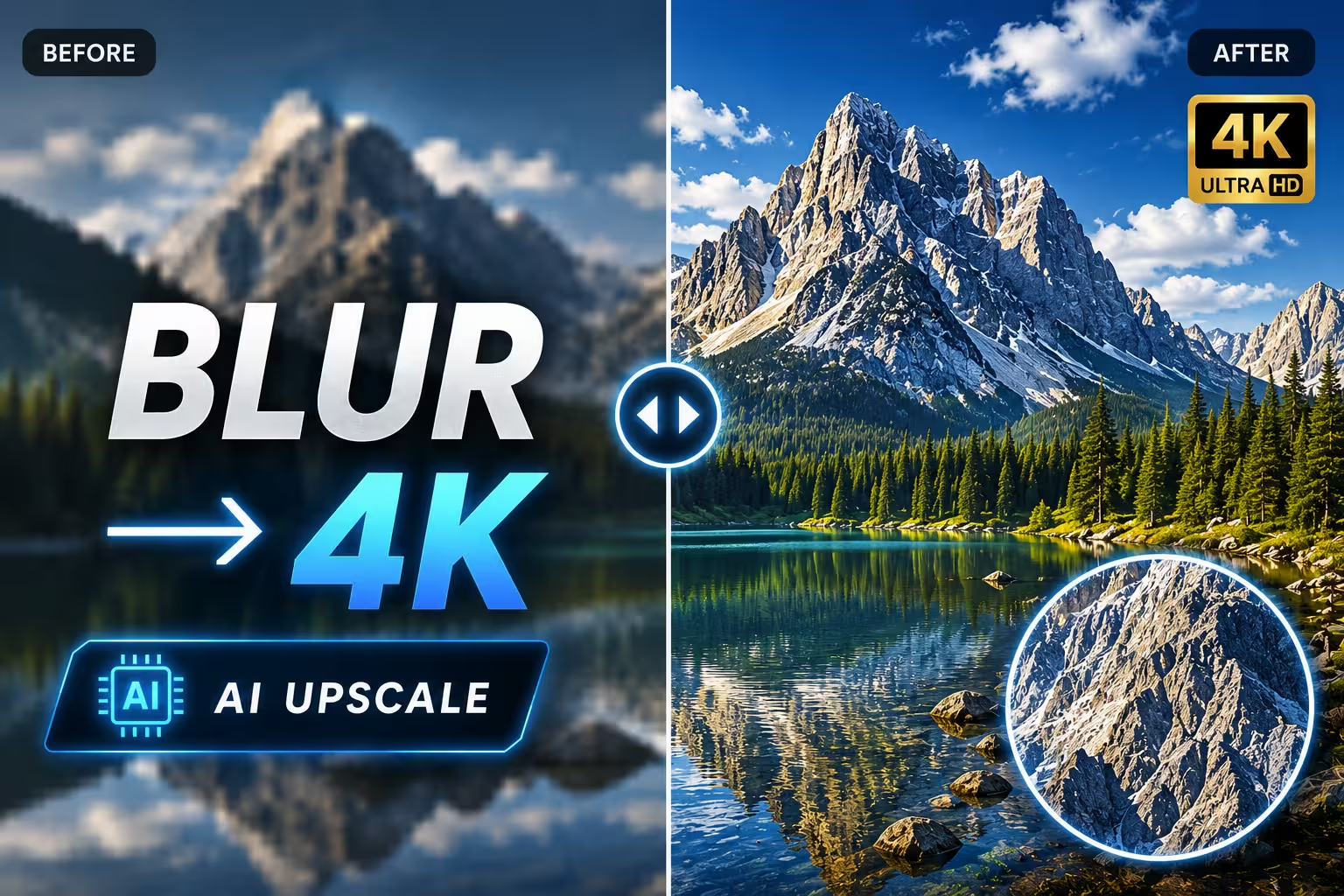
Upscayl (free), Topaz Gigapixel (included in Topaz Studio), Magnific & more tested on real photos, AI images & old scans. Comparison table, print guide & workflow included.

🔎 Best AI Image Detector
Hive Detect, Illuminarty, AI or Not, WasItAI, TruthScan, Sightengine and more — compared by free tier, method and what each one is actually good for.
📱 Best AI Video for Reels
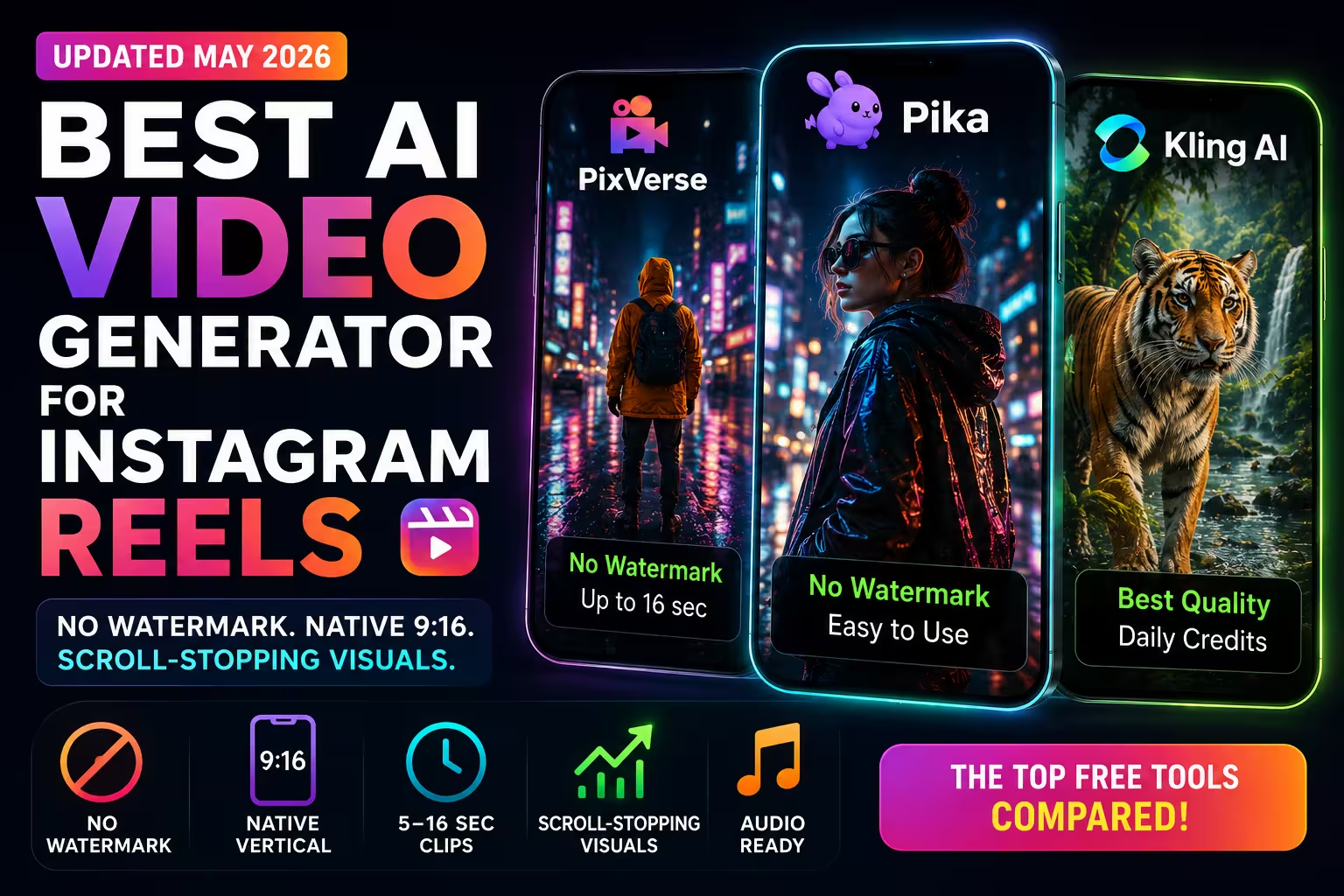
Which free AI video tool makes the best Instagram Reels? No visible watermark on tested Pika and PixVerse output, native 9:16, scroll-stopping visuals — PixVerse, Pika and Kling compared for creators.

🔬 Best AI Video Detector
Hive, Reality Defender, Deepware, Sightengine and more compared by coverage, access, workflow and limitations for synthetic video checks.
Head-to-Head
Midjourney vs DALL-E
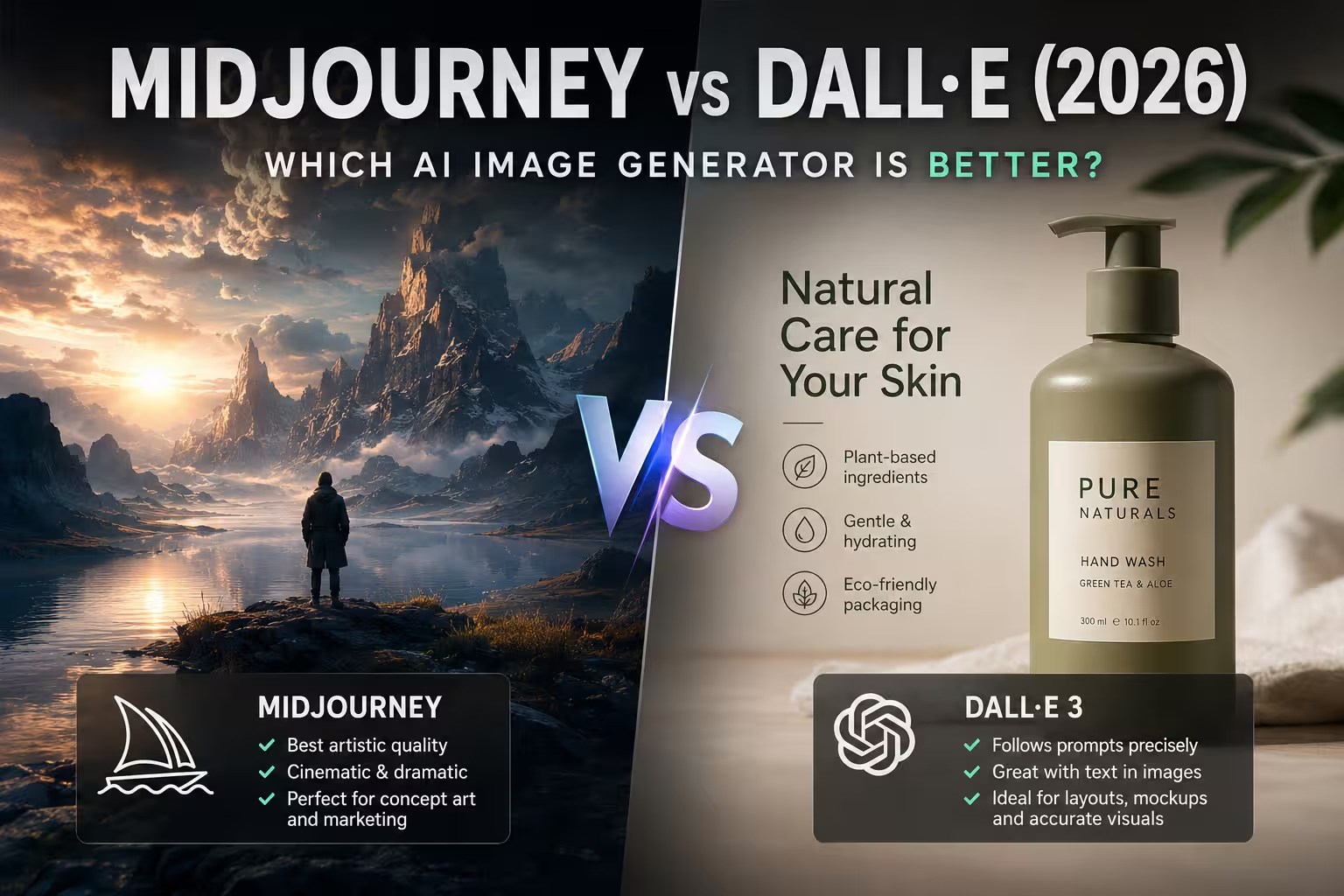
Midjourney produces more artistic, cinematic images. DALL-E 3 is free via Bing and follows prompts more precisely. Quality, pricing and use cases compared.
Kling vs Runway
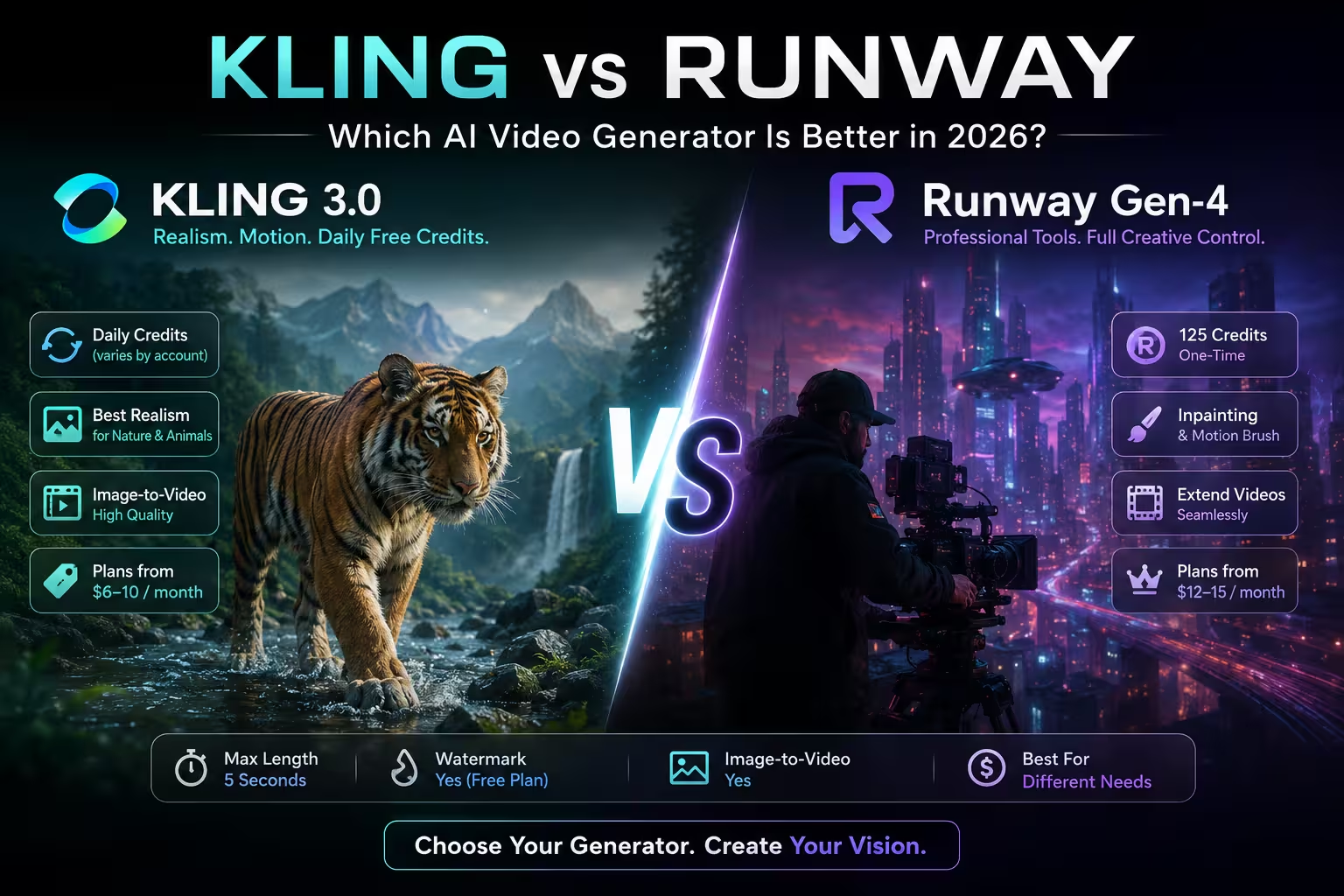
Kling 3.0 wins on realism and natural motion; Runway Gen-4.5 wins on professional editing tools and provides 125 one-time free credits. Kling promotional credits follow current campaign terms and the product interface.
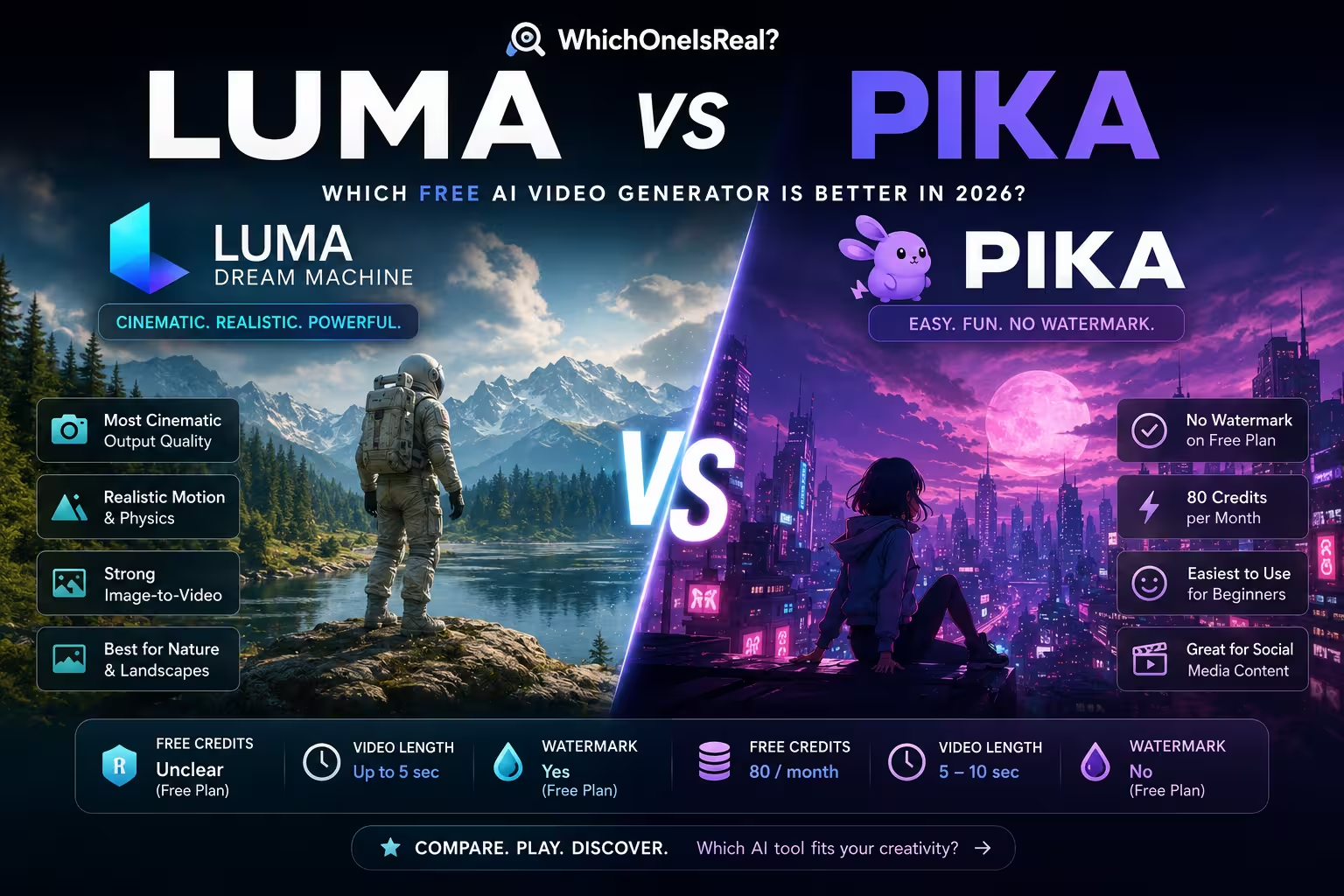
Luma vs Pika
Pika: no visible watermark on tested free output. Luma: better realism and cinematic quality. Free credits, pricing and image-to-video compared.
How to read these comparisons
AI products change quickly. Free credits, watermarks, model access and prices can change after publication. Each article includes an update date; always confirm purchase-critical details on the provider's own site.
A “best” tool is only best for the use case and criteria stated in that article. We favour transparent limits, usable free access and clearly explained trade-offs over feature-count marketing.
Where a page states a number, we prioritize the provider's pricing page, documentation or changelog. When the provider does not publish the detail, the article labels estimates, direct observations or unresolved limits rather than presenting them as official figures.
How these pages are kept current
Free-tier terms are the fastest-decaying facts on this site. A credit allowance can change without announcement, a watermark policy can flip, and a recommended tool can shut down entirely — at which point an otherwise well-written comparison is actively misleading.
Every comparison page therefore goes through a recurring review that re-checks each perishable claim against the vendor's current pages. Corrections are applied with the source recorded alongside them, and anything that cannot be confirmed at a reliable source is left unchanged and marked as unverified rather than quietly adjusted. When two secondary sources disagree, that disagreement is itself the result: the figure stays as it was and the conflict is noted.
This is also why the update date on an article moves only when a fact actually moved. Refreshing a date without a content change would manufacture a freshness signal that misleads both readers and search engines, so the stamp reflects real editorial work rather than the last time the file was touched.
Why a quiz site writes tool comparisons
The quizzes on this site are built from images and clips we generate ourselves, which means working with these tools constantly — checking what a free tier actually allows, where a watermark lands, how long a clip can be. The comparisons are a by-product of that work rather than a separate content operation.
It also explains the emphasis. A page about a video generator will tell you what its output looks like under scrutiny, because we then put that output in front of thousands of players and record whether they could tell it apart from real footage. The model ratings are the aggregate of exactly that.