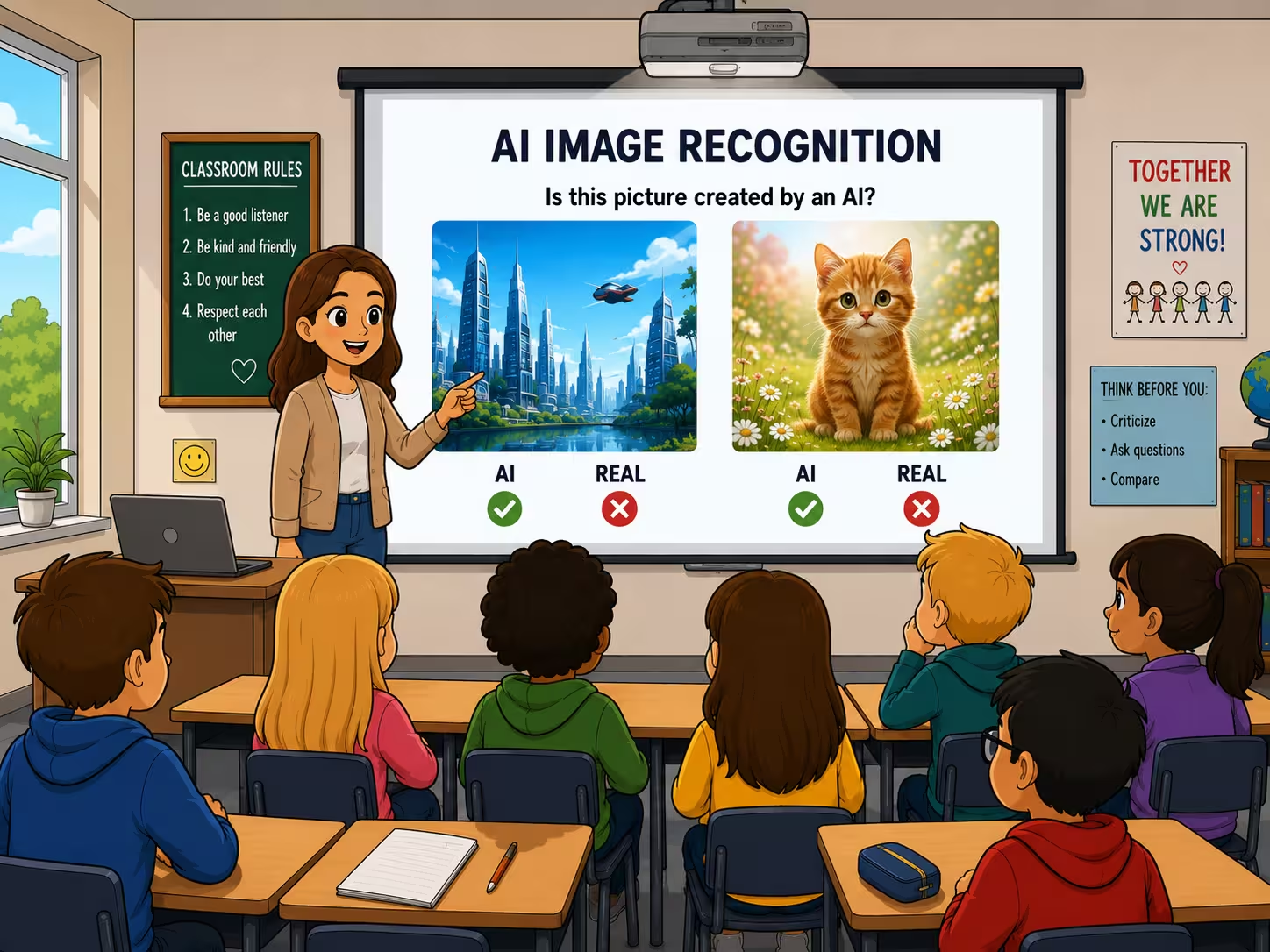
Good media literacy for adults starts with an experience, not a lecture. Let a group try to spot AI images, and most people discover for themselves how hard it has become. That discovery is the starting point for this workshop.
The five steps below fit adult education groups, library programs and community meetups. Together they make a short AI literacy workshop of 30 to 45 minutes. Everything runs on the free WhichOneIsReal group quiz, and the structure follows the free group version of Spotting AI Fakes (Basic), which you can also take alone as the self-paced version: first test how well looking works, then agree on what to do when it doesn’t.
The goal is one insight every participant takes home: with today’s AI image generators, you often can no longer tell by looking whether a picture is real or generated. That makes these critical thinking activities for adults with a practical result, not a test of who guesses best.
A 45-minute AI literacy workshop at a glance
| Step | Time | What happens |
|---|---|---|
| Joining the quiz room | 3–5 min | Participants join with a room code |
| 1. Play and talk | 5–8 min | 5 quiz rounds, open conversation |
| 2. Play and take notes | 5–8 min | 5 more rounds, everyone notes their clues |
| 3. Recognisable or deceptive? | 8–10 min | Discuss which images could really be identified |
| 4. Agree on a guide | 5–8 min | A shared routine for suspicious images |
| 5. Wrap-up | 3–5 min | What the group learned |
For a 30-minute slot, play three rounds each in steps 1 and 2.
Before you begin
Prepare a shared screen, an internet connection, paper and pens. Participants need a browser on a phone, tablet or computer to answer live. Open the free Classroom quiz, create a room and share its joining code. Turn off auto-advance so you can pause between rounds. The AI image quiz guide for the classroom explains every setting and device requirement.
Each quiz round shows one real photograph next to AI-generated images, and players pick the real one. If you have half an hour beforehand, work through Spotting AI Fakes (Basic) yourself. It takes 30–35 minutes and gives you the background for steps 3 and 4.
Present the quiz as shared practice, not a competition. Read prompts aloud, give people time to think and let anyone pass.
1. Play five rounds and talk about them
5–8 minutes. Purpose: let everyone experience how hard it is.
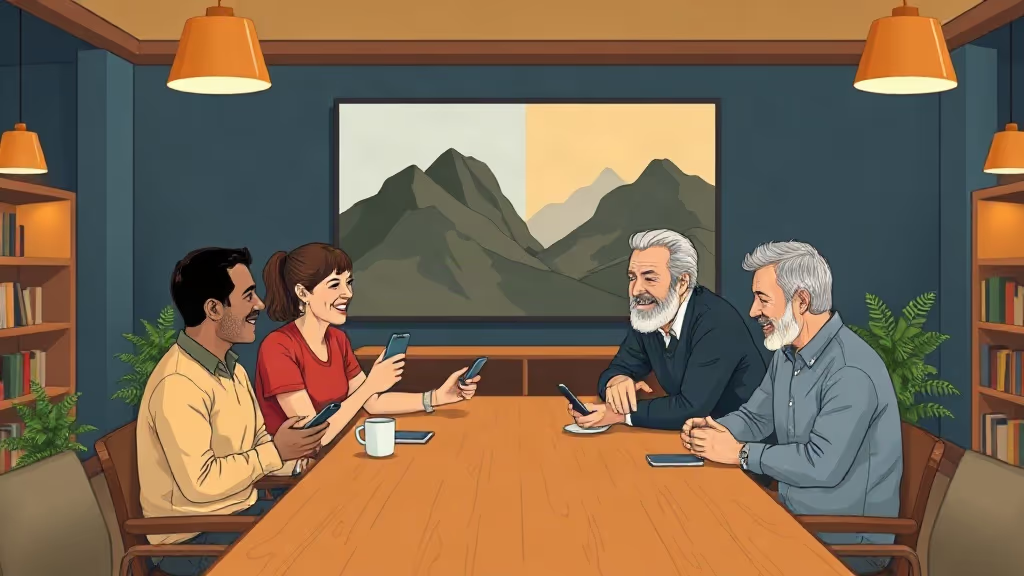
Play five rounds without any introduction to AI clues. After each reveal, let the group talk freely. One question keeps the conversation useful:
- “Which image were you sure about, and which one was a coin toss?”
Don’t correct or explain yet. Surprise is the point: many groups expect to score well and don’t. The Spotting AI Fakes course opens the same way, with a chapter called “How hard is it, really?”
Keep the leaderboard light. A few image choices say nothing about anyone’s intelligence or digital skills.
2. Play five more rounds and note your clues
5–8 minutes. Purpose: make the reasoning visible.
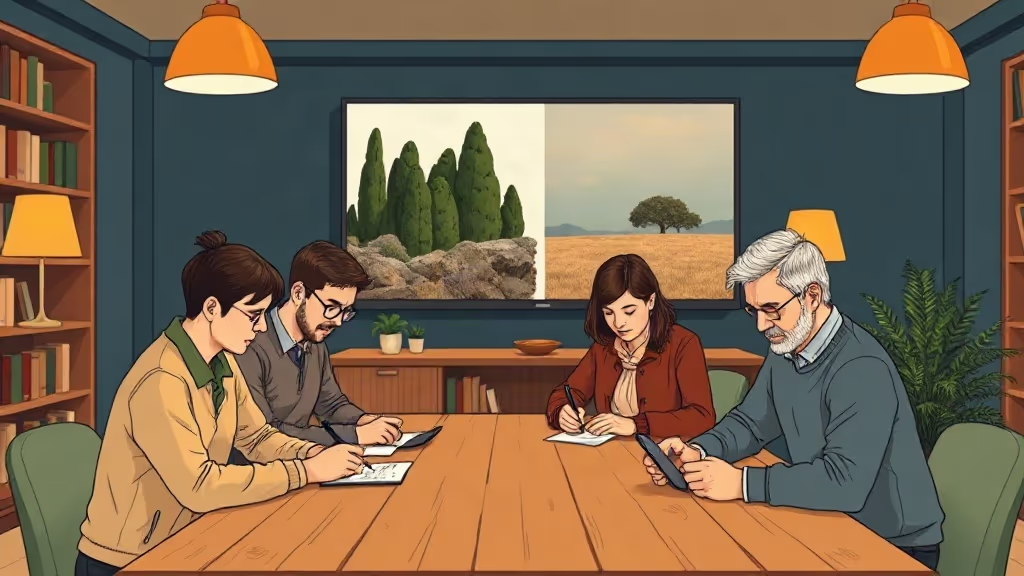
Play five new rounds. Before each reveal, everyone writes one short line on paper:
Round ___ · My choice: ___ · Why: ___
Typical notes: “hands look wrong”, “text in the background is blurry”, “too perfect”, “lighting feels off”. There are no wrong notes here. The list is the material for step 3.
3. Discuss which images you can really recognise
8–10 minutes. Purpose: separate clues that work from clues that only feel right.
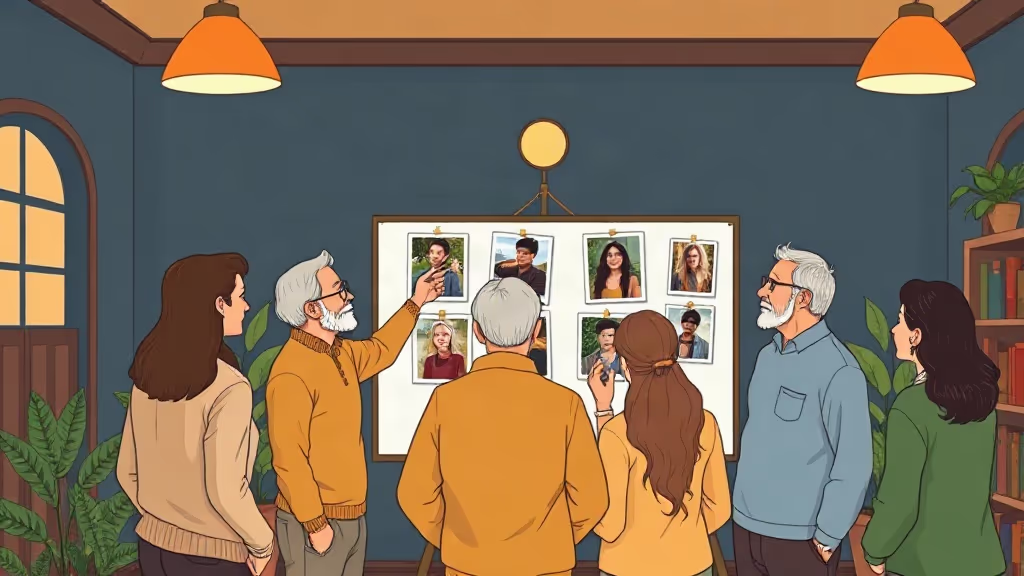
Collect the notes on a board or flipchart, then go through them together:
- “Which clue actually led to the right answer?”
- “Which clue pointed the wrong way, or could a real photo show the same thing?”
- “Which images were deceptively real, so that nobody had a reliable reason?”
Sort the rounds into two groups: recognisable (a clear, checkable flaw) and deceptively real (no reliable clue). In most groups the second list is longer than people expect. Real photos also have blur, odd lighting and smooth skin, so many “AI clues” are not proof.
This matches chapter 3 of the Spotting AI Fakes course, “The human eye”, which asks which flaws you can actually verify. The image-detection guide lists the clues that still catch some fakes.
4. Agree on a guide for suspicious images
5–8 minutes. Purpose: turn the insight into a routine.
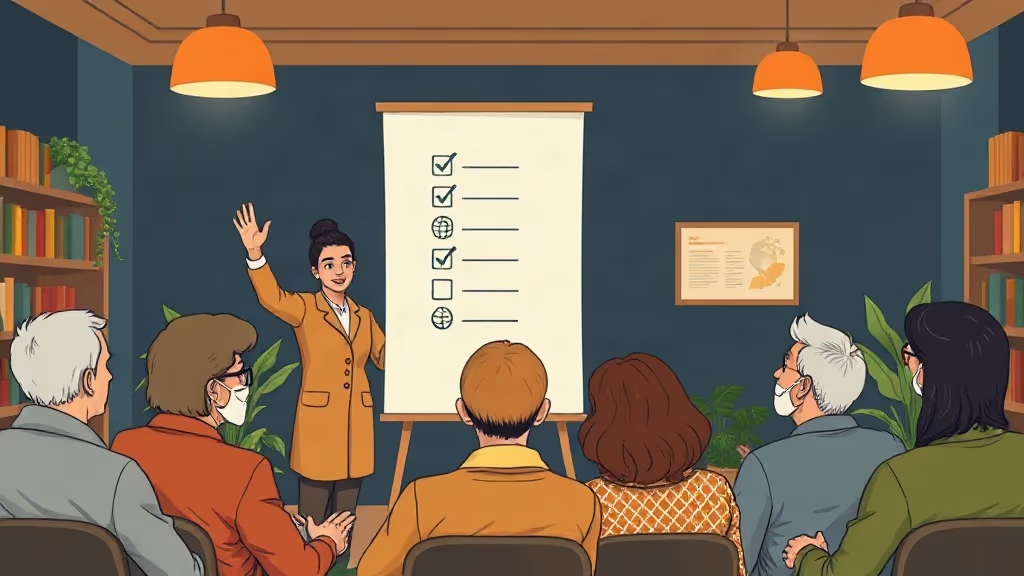
Ask the group: “If you can’t tell by looking, what do you do instead?” Build a short guide together on the flipchart. A good result looks like this:
- Pause. Don’t share, like or comment yet. Even a sceptical reaction spreads a post.
- Look briefly. An obvious flaw settles it. If you see none, the eye alone is not enough.
- Check the source. Who posted it first, how old is the account, is there a date and a place?
- Search for the image. A reverse image search shows where it appeared before. A detector result is a signal, never a verdict.
- Still unclear? Don’t share it. Report it if it is misleading.
Add one point that groups often miss: a real photo can also mislead when it comes with a false caption, for example an old picture presented as “this morning in our town”. The guide applies to the claim, not just the pixels.
These steps mirror the rules and tools of Spotting AI Fakes (Basic), which covers each one in its own chapter, from reverse image search and detectors to reporting misinformation and responding factually.
5. Wrap up what the group learned
3–5 minutes. Purpose: make the key takeaway stick.
Say the main insight out loud: many AI images can no longer be identified by eye, not even by careful observers. WhichOneIsReal quiz data supports this. Players who studied an image for more than eight seconds picked the real photo only about half the time, and looking longer did not improve their results.
The useful question therefore changes from “Is this image AI?” to “Where does it come from, and what does it claim?” Source and context remain checkable when the pixels are not.
Ask each person for one sentence: “Next time an image makes me want to react right away, I will first …”
Give the group the guide from step 4 to take home, as a photo of the flipchart or printed. To go deeper, present the Classroom version of Spotting AI Fakes (Basic) live in your next session, which suits most groups best: participants answer its questions on their phones while you show the chapters on the shared screen. Anyone who prefers to continue alone can do the self-paced version at home.
Adapt the workshop to your group
If participants do not have individual devices, project the pictures and collect choices on paper. The discussion works the same; paper answers just won’t appear on the quiz leaderboard.
For a group with different reading levels, read one question at a time and accept spoken explanations. Let pairs discuss before inviting a response to the whole room. Describe relevant visual details aloud where useful, while recognising that image-based tasks may need a different activity for participants who cannot see the pictures.
Avoid asking anyone to bring private messages, family photographs or examples of a scam they experienced. The quiz images and invented captions are enough to practise. People can contribute everyday experience without disclosing personal information.
If you run these sessions regularly, Classroom Plus is coming soon and will add options such as your own image selection, saved groups and results. Until then, the free quiz covers everything in this guide.
Frequently asked questions
What are useful media literacy activities for adults?
Play a short real-or-AI image quiz together, note which clues people used, discuss which images were actually recognisable, agree on a group guide for checking images and close with what the group learned. The steps follow the free Spotting AI Fakes (Basic) course.
How does this workshop relate to Spotting AI Fakes (Basic)?
It follows the same idea in a shorter, discussion-based form: first test how well looking works, then switch to a verification routine. The training covers each step in depth, either self-paced or presented live to a group, and works well as the next session.
Can adults participate without individual devices?
Yes, as a facilitator-led discussion: project the images and collect choices and reasons on paper. Paper answers just won’t appear on the quiz leaderboard.
Can adults still tell AI images from real photos?
Often not by looking alone. Current AI image generators avoid most of the visual clues people rely on, and in WhichOneIsReal quiz data, players who studied an image for more than eight seconds picked the real photo only about half the time. Checking the source and context is more reliable than inspecting pixels.
Sources and update policy
Media Literacy Now’s definition covers accessing, analysing, evaluating, creating and acting with media. This workshop addresses a limited part of that broader field: discussing visual evidence and deciding what to verify. They are original facilitation suggestions, not a validated assessment or a complete media-literacy curriculum.
For wider adult-audience programming, see the American Library Association’s media literacy resources. Product instructions and links were checked on October 22, 2026. We will update them when the relevant Classroom workflow changes.